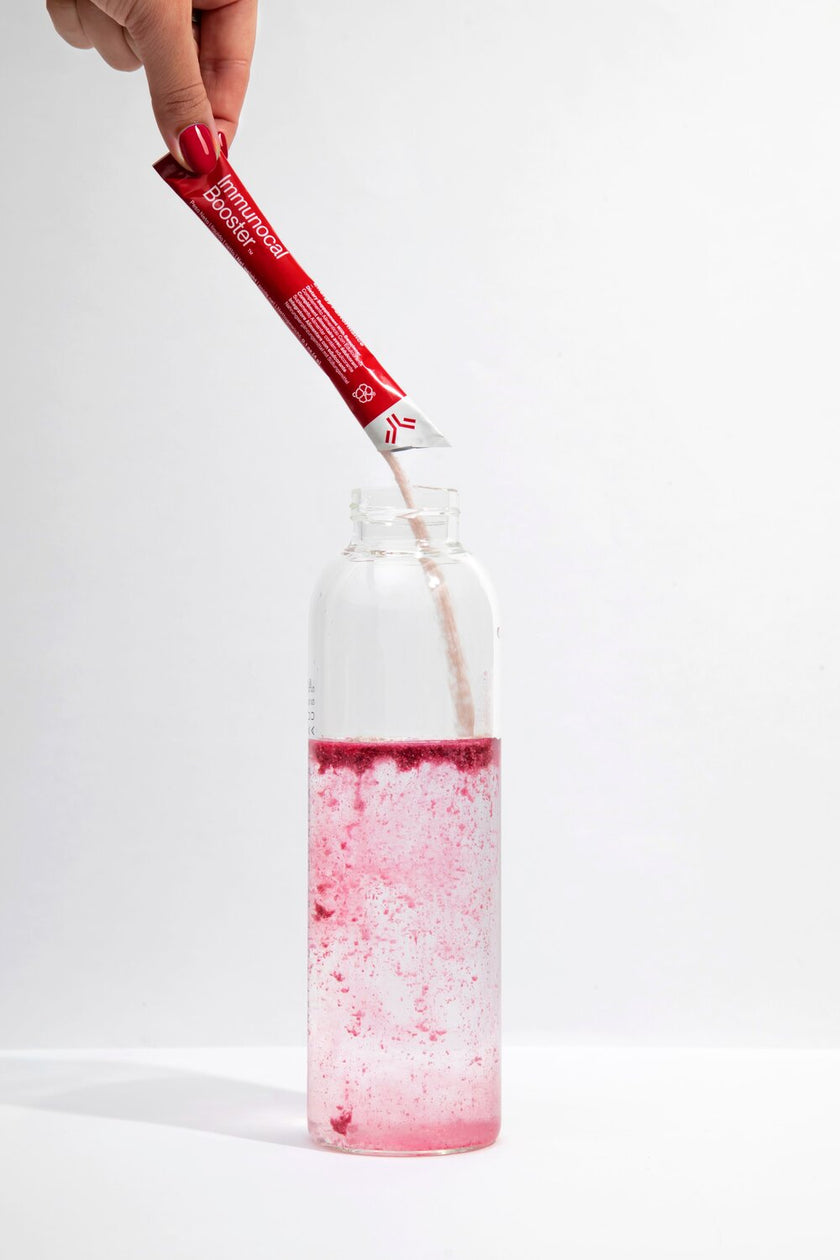
If you’re a parent of a child with Autism Spectrum Disorder (ASD), you’ve likely searched for ways to support their brain health, behavior, and overall well-being. But did you know that up to 80% of children with ASD are deficient in glutathione?
Glutathione is often called the “Master Antioxidant” because all other antioxidants depend on the presence of glutathione to work properly. It plays a critical role in:
- Detoxification – helping the body remove harmful toxins
- Brain function – supporting mitochondrial health and cognitive development
- Immune balance – reducing inflammation linked to ASD
For years, researchers have studied the connection between oxidative stress, glutathione depletion, and autism. Now, a groundbreaking clinical trial has shown that raising glutathione levels naturally can lead to significant improvements in behavior and communication skills in children with ASD.
Immunotec® was recently granted a U.S. patent (Patent No: 11944649) for the use of Immunocal® in treating and measuring improvements in behavioral traits of individuals with autism. This breakthrough research was conducted at Nova Southeastern University (NSU) in Florida, and the results are truly promising.
What Is Oxidative Stress and Why Does It Matter for Autism?
Oxidative stress occurs when the body has too many free radicals—unstable molecules that can damage cells, DNA, and mitochondria.
Many children with autism have:
- Increased oxidative stress markers
- Low glutathione levels, affecting detoxification and immune health
- Mitochondrial dysfunction, impacting energy production and brain function
Since glutathione is critical for reducing oxidative stress and supporting brain health, deficiencies can contribute to neurological challenges, behavioral symptoms, and gut health issues commonly seen in autism.
"Studies have shown that low glutathione levels lead to poor liver and kidney function, resulting in unnecessarily large quantities of toxins circulating through the body. There, they continuously damage individual cells and organs. Raising glutathione naturally with Immunocal helps support the neurological and immune challenges seen in autism."
- Dr. Jimmy Gutman, World Leading Authority on Glutathione
Nova Southeastern University Study on Immunocal & Autism
A landmark clinical trial conducted at Nova Southeastern University (NSU) in Florida evaluated the effects of Immunocal®—a unique cysteine-rich whey protein isolate that raises glutathione levels—on preschool children with autism.
However glutathione cannot be effectively absorbed through supplements, the best way to boost levels naturally is through glutathione precursors—like those found in Immunocal.
Study Highlights:
- 60 preschoool-aged children with ASD
- 20 received Immunocal daily for 3 months
- 20 received a rice protein control
Key measures included:
- Atypical behaviors
- Communication skills
- Developmental progress
- Behavioral improvements
Key Findings:
- Children taking Immunocal showed significant improvements in behavior compared to the control group
- Blood glutathione levels increased in the Immunocal group, reinforcing its role in addressing oxidative stress
- No adverse effects were reported, confirming Immunocal’s safety for children
Unlike conventional glutathione supplements—which the body cannot absorb properly—Immunocal provides the essential precursor, Bonded Cysteine™, allowing cells to naturally produce and regulate their own glutathione levels.
" This patent is a huge accomplishment in autism research and a promising development for individuals and families affected by this neurodevelopmental disorder. Immunotec’s contributions to science go beyond this study. With 50 years of research, more than 100 published studies, and third-party endorsements from top researchers, medical professionals, and elite athletes, Immunocal has solidified itself as a leader in immune health and glutathione science. Additionally, Immunocal® holds patents in more than 20 countries, many of which are 'method of use' patents, the same ones often granted to pharmaceutical companies. This level of scientific validation is rare in the supplement industry, and it underscores our unwavering commitment to research, quality, and efficacy.”
Immunotec CEO, Mauricio Domenzain, on the Breakthrough Research:
How Immunocal Supports Children with Autism
Unlike other health products on the market, Immunocal® is the only clinically proven glutathione precursor that provides Bonded Cysteine™—the key ingredient needed for natural glutathione production supporting: immune function, detoxification, and overall wellness. It is even recognized in the most trusted medical references, including the Physicians' Desk Reference (PDR) in the U.S. and the Compendium of Pharmaceutical Specialties (CPS) in Canada—both essential resources for physicians and pharmacists.
The Immunocal Difference
- Boosts natural glutathione levels to combat oxidative stress
- Supports detoxification to help remove heavy metals and environmental toxins
- Enhances mitochondrial function for better energy production
- Supports immune balance, reducing inflammation linked to ASD
- Clinically tested for safety and efficacy in children
Immunocal is backed by over 80 international patents and is recognized in medical reference texts for its ability to raise and sustain glutathione levels naturally.
Sources & Clinical Research
- Clinical Trial: NCT01366859
- Peer-Reviewed Study: PMC8514994
- PubMed: 34658941
- US Patent Application: 16/634,946 "Compositions and Methods for Treatment of Autism Spectrum Disorder
- Patent No: 11944649 Relating to the Use of Immunocal® in Treating and Measuring Improvements in Behavioral Traits of Subjects With Autism or ASD Date Issued: 04.02.2024 [Autism Awareness Day] Medical Reference # [PMCID]: PMC8514994
The discovery of glutathione deficiencies as a potential biomarker for autism could lead to earlier diagnoses and interventions. While more research is needed, studies suggest that nutritional support, such as increasing glutathione levels, may help address some of the biological challenges associated with ASD.